What You Really Need to Start Homeschooling (Not Just Supplies)
Getting ready to homeschool but feeling overwhelmed by supply lists and color-coded planners? You’re not alone. This beginner-friendly guide will walk you through what you actually need to start homeschooling—beyond the bins and books. From mindset shifts to basic tools, we’ll cover the real essentials that help your homeschool journey begin with peace, purpose, and confidence.

If you’ve been up late scrolling Pinterest boards, Googling “homeschool must-haves,” or wondering if you need to turn your dining room into a one-room schoolhouse—you’re not alone. It’s easy to feel like you need to order All The Things before you can get started.
But here’s the truth: you need less than you think—especially at the beginning.
Homeschooling isn’t about having the perfect setup or buying every curriculum option on the market. It’s about creating a meaningful, flexible learning environment for your child—and that starts with your mindset, not your Amazon cart.
If you haven’t already read How to Start Homeschooling, that guide will walk you through the legal and practical first steps. This post builds on that foundation and helps you figure out what’s truly essential to get started with heart (not just stuff).
Let’s break this down into three main areas: mindset, tools, and environment.
🧠 1. A Flexible, Growth-Oriented Mindset
You don’t need to know everything to begin—you just need to be open, curious, and willing to learn alongside your child. That mindset alone will carry you farther than any curriculum ever could.
What helps:
- A willingness to try, reflect, and adjust
- Realistic expectations (there will be good days and messy ones)
- Patience—for your child and yourself
- The courage to ditch what doesn’t work
- A supportive community (you can find one locally or online)
💡If you’ve pulled your child from public school, taking time to deschool is one of the most important first steps. It helps you both mentally transition away from the traditional classroom mindset and find your own rhythm.
📚 2. Just-Enough Tools to Get Started
You don’t need to buy an entire boxed curriculum or expensive setup on day one. Start simple. You can always add more as you go.
Here are the actual essentials:
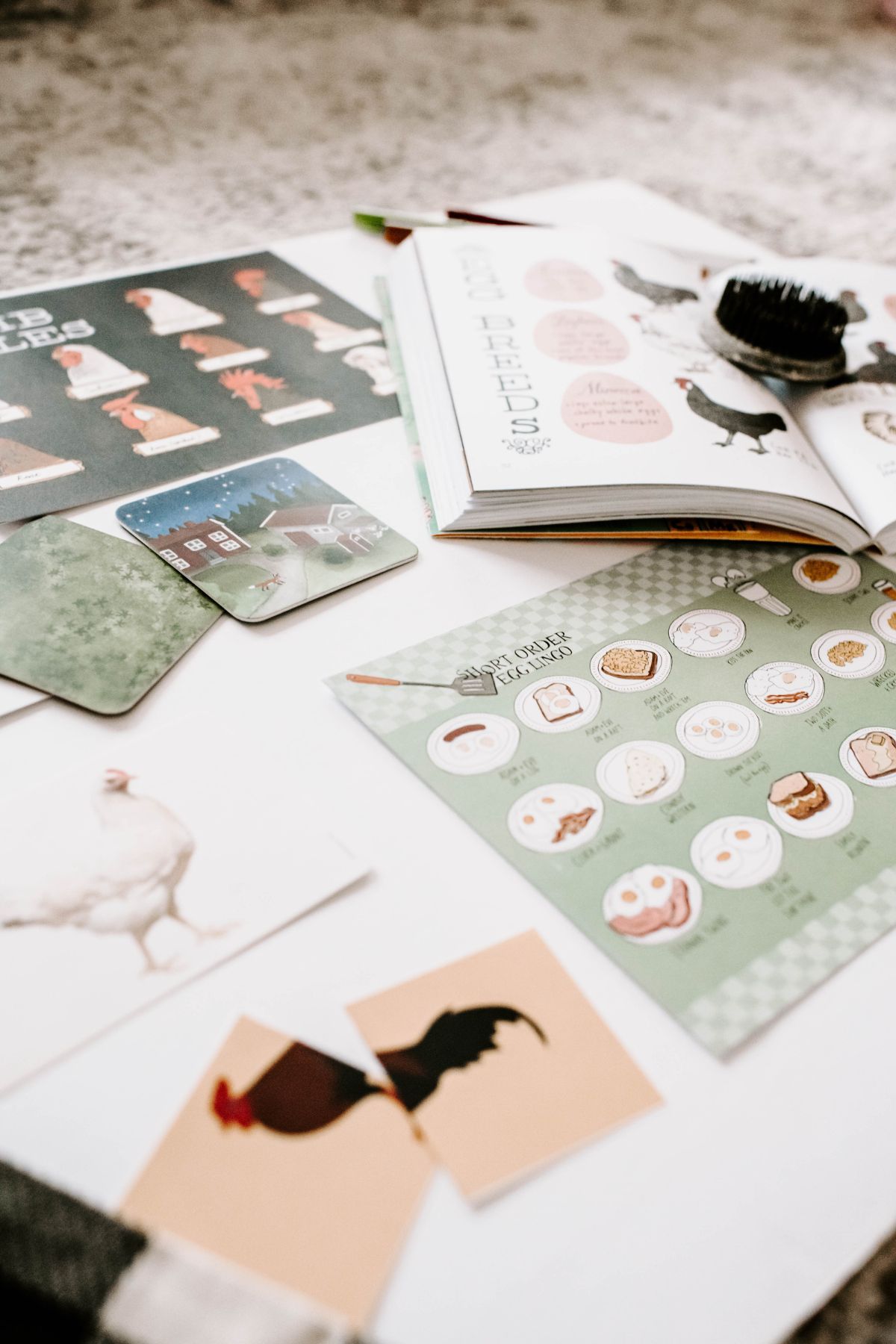
- A basic curriculum or learning plan
(You can go with structured books, free resources, or try a more flexible approach like unit studies.) - Pencils, notebooks, and a good eraser
- Library card – This might honestly be your most powerful homeschool tool
- Internet access – For YouTube tutorials, printables, and online classes
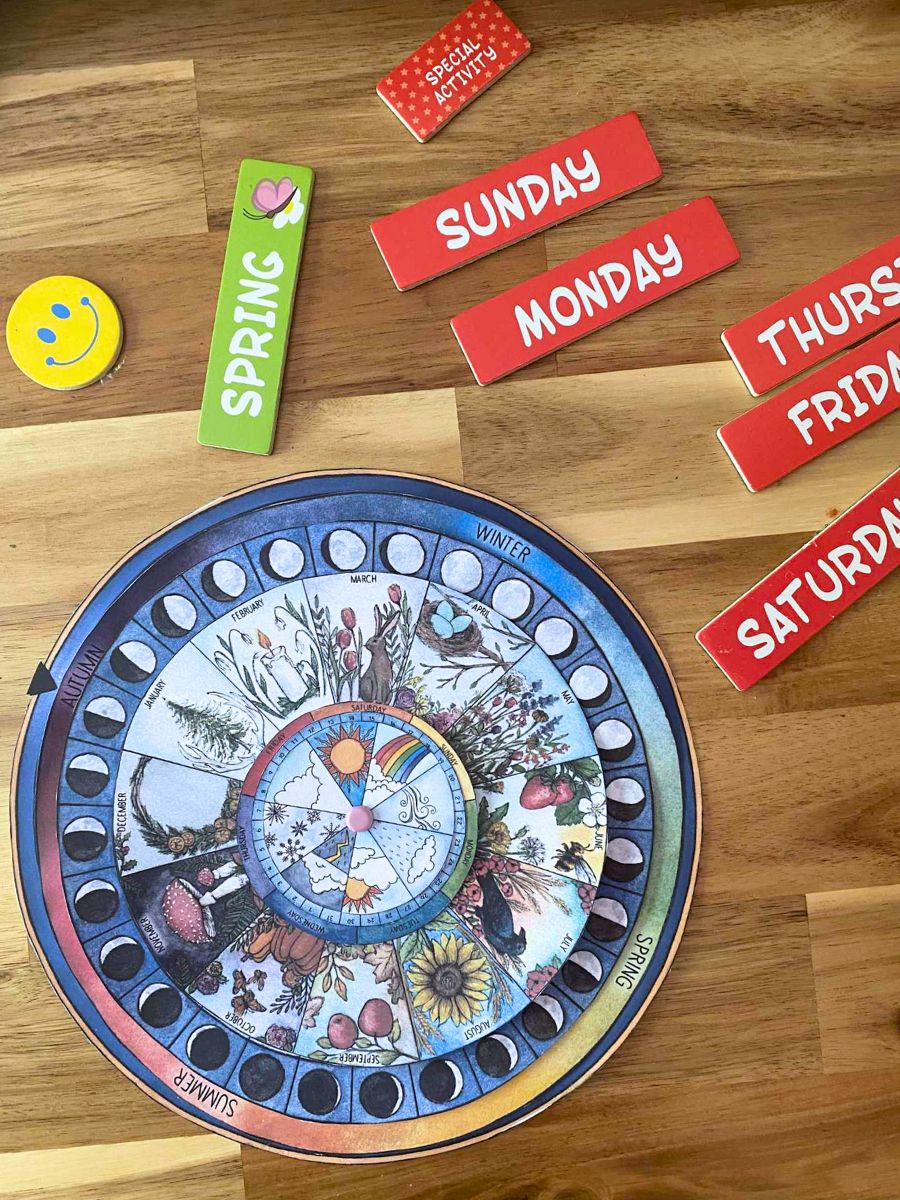
- A folder, binder, or digital planner – To keep track of your plans or your child’s work
That’s it. Truly.
💡Curious about different styles of homeschooling or how to choose resources? You might love this breakdown of unit study vs. traditional curriculum, especially if you’re unsure how structured you want your homeschool to be.
And if you decide to try unit studies, here are our top resources for planning unit studies and a helpful guide on adapting unit studies for different ages—perfect for families homeschooling multiple children together.
🏡 3. A Space That Supports Learning—But Doesn’t Have to Look Like a Classroom
You don’t need to build a mini-schoolroom. Some families use a corner of the dining room. Others sprawl across the couch. Your homeschool space should feel like your home—because that’s what it is.
Start with:
- A place to keep your materials (basket, shelf, rolling cart—whatever fits)
- A flat surface for writing or working
- A cozy reading spot (the couch, a beanbag, a corner with pillows)
- Somewhere to display your child’s work (fridge, corkboard, wall tape—it all counts!)
💡Remember: your space can grow with you. For now, keep it simple and functional.
🚫 What You Don’t Need Right Away
Let’s clear the air: you do not need all of this on Day 1.
❌ A boxed curriculum for every subject
❌ A full year of supplies purchased upfront
❌ A strict Monday–Friday 8am–3pm schedule
❌ Expensive learning subscriptions or online programs
❌ A Pinterest-worthy schoolroom with labels and laminators
❌ Guilt if you don’t have any of the above
In fact, keeping things minimal can help prevent burnout and make space for creativity, connection, and curiosity.
✅ Optional Nice-to-Haves (Add When You’re Ready)
Once you find your rhythm, here are some helpful extras you might enjoy:
- Art supplies or a science experiment kit
- A whiteboard or chalkboard
- Memberships to local museums or educational apps
- Homeschool planner or tracking tool
- Morning basket items (read-alouds, poetry, journals)
- Audiobooks, podcasts, and music for carschooling
And if your kids love asking questions all day long? You’ll love this guide on a year of inquiry-based learning, which can help you turn everyday conversations into meaningful, memorable lessons.
👩🏫 Real-Life Example
“When we first started homeschooling, I thought I had to recreate a classroom. I bought a desk, posters, workbooks for every subject… and within two weeks, we were burned out. Once I put the desk away and moved learning to the kitchen table, everything shifted. We simplified our materials, focused on connection, and started loving homeschool again.”
Less can truly be more.

🎁 Grab the Free Printable Checklist!
Want a clutter-free, confidence-boosting checklist to guide your homeschool start?
I’ve created a printable version of this list so you can keep it handy as you get going—no laminator required. 😉
Just drop your name and email in the blue box below, and I’ll send it straight to your inbox.
It’s perfect for your fridge, homeschool binder, or planner pocket!
📌 For personal or classroom use only, please—no commercial use or redistribution.
Thanks for supporting original homeschool resources made with love. 💛
💛 Final Thoughts: It’s Not About the Stuff
What you really need to start homeschooling?
- A desire to connect with your child
- A willingness to learn together
- A flexible mindset and open heart
- A few simple tools to get started
- And permission to do it your own way
The rest? You’ll figure it out as you go. Truly.
So breathe easy, friend. Your homeschool doesn’t have to look like anyone else’s. You don’t need a shopping spree—you need space, grace, and time. One small step at a time is still moving forward.
You’ve got this. And I’m cheering you on every step of the way. 💛