Deschooling 101: Why It Matters and How to Do It
Thinking about homeschooling? Don’t skip this essential first step! Deschooling helps both you and your child transition from traditional school to a peaceful, flexible homeschool rhythm. In this guide, you’ll learn what deschooling really is, why it matters, how long to do it, and simple ways to make it a meaningful part of your homeschool journey—without stress or worksheets. Whether you’re feeling nervous or eager to jump in, this gentle reset will set the stage for long-term homeschool success.

If you’re just starting out with homeschooling, you might feel like you need to jump right into lesson plans, curriculum, and schedules. But hold on a second—before you crack open that brand-new math book, let’s talk about something really important: deschooling.
Deschooling is one of the most overlooked steps in the transition to homeschooling, but it can make a huge difference in how smoothly your new journey begins.
If you’re still navigating the basics of getting started, make sure to check out our full guide: How to Start Homeschooling. Once you’ve handled the legal stuff and chosen your homeschool path, deschooling is the gentle bridge that helps your child (and you!) cross from traditional school life into something brand new.
💡 What Is Deschooling?
Deschooling is the mental and emotional transition period that happens after a child leaves traditional school and before you start your official homeschool routine.
It’s not about doing worksheets on the couch instead of at a desk. It’s about stepping back from the “school” mindset entirely—things like bells, rigid schedules, grading pressure, and raising your hand to ask a question—and giving your child space to rediscover curiosity, creativity, and joy in learning.
And here’s the thing: deschooling isn’t just for your child. It’s for you too. Most of us grew up in school systems and carry internal beliefs about what “real learning” looks like. Deschooling helps everyone decompress and reset before jumping into something new.
💛 Why Deschooling Matters (Especially If You’re Coming from Public School)
If your child is leaving a traditional classroom setting, especially mid-year or after a difficult school experience, deschooling is essential. Here’s why it matters:
- It helps prevent homeschool burnout—right out of the gate.
- It gives your child time to de-stress and emotionally reset.
- It rebuilds curiosity and interest in learning (without pressure).
- It strengthens your parent-child relationship.
- It helps you observe your child’s natural learning style.
Imagine this like decompressing after leaving a high-stress job. You wouldn’t jump into a new job the very next day—you’d take a break, catch your breath, and rediscover what you enjoy. Your child needs that too.
🛠️ How to Deschool: A Gentle, Step-by-Step Approach
Deschooling isn’t complicated, and it’s not about doing nothing. It’s about creating space to observe, connect, and rediscover the love of learning.
1. Take a full break from formal academics.
Skip the math workbook and spelling list for now. Focus on play, rest, and curiosity. Go on walks. Build forts. Watch documentaries. Let your child sleep in. This is part of the process.
2. Reconnect through everyday life.
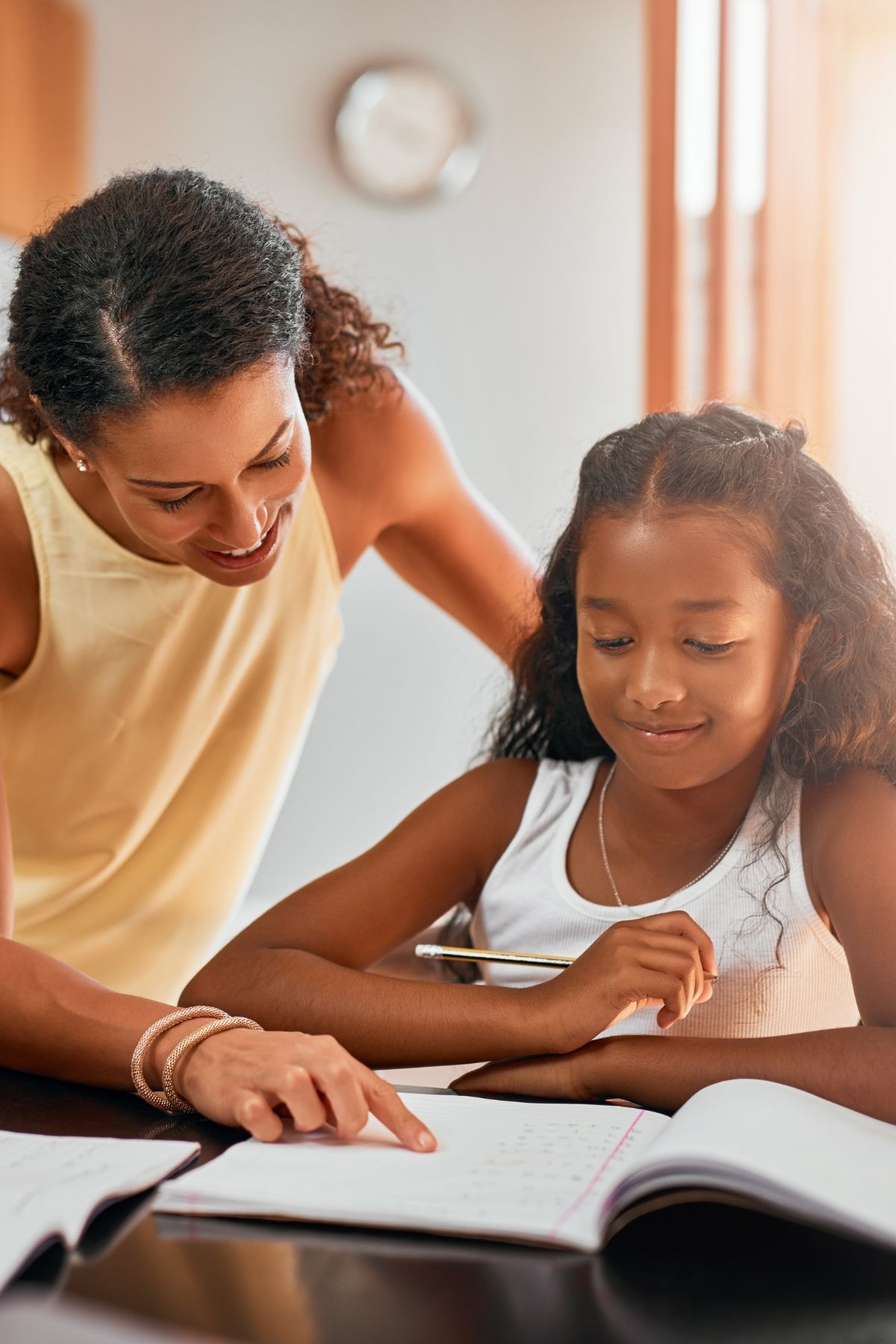
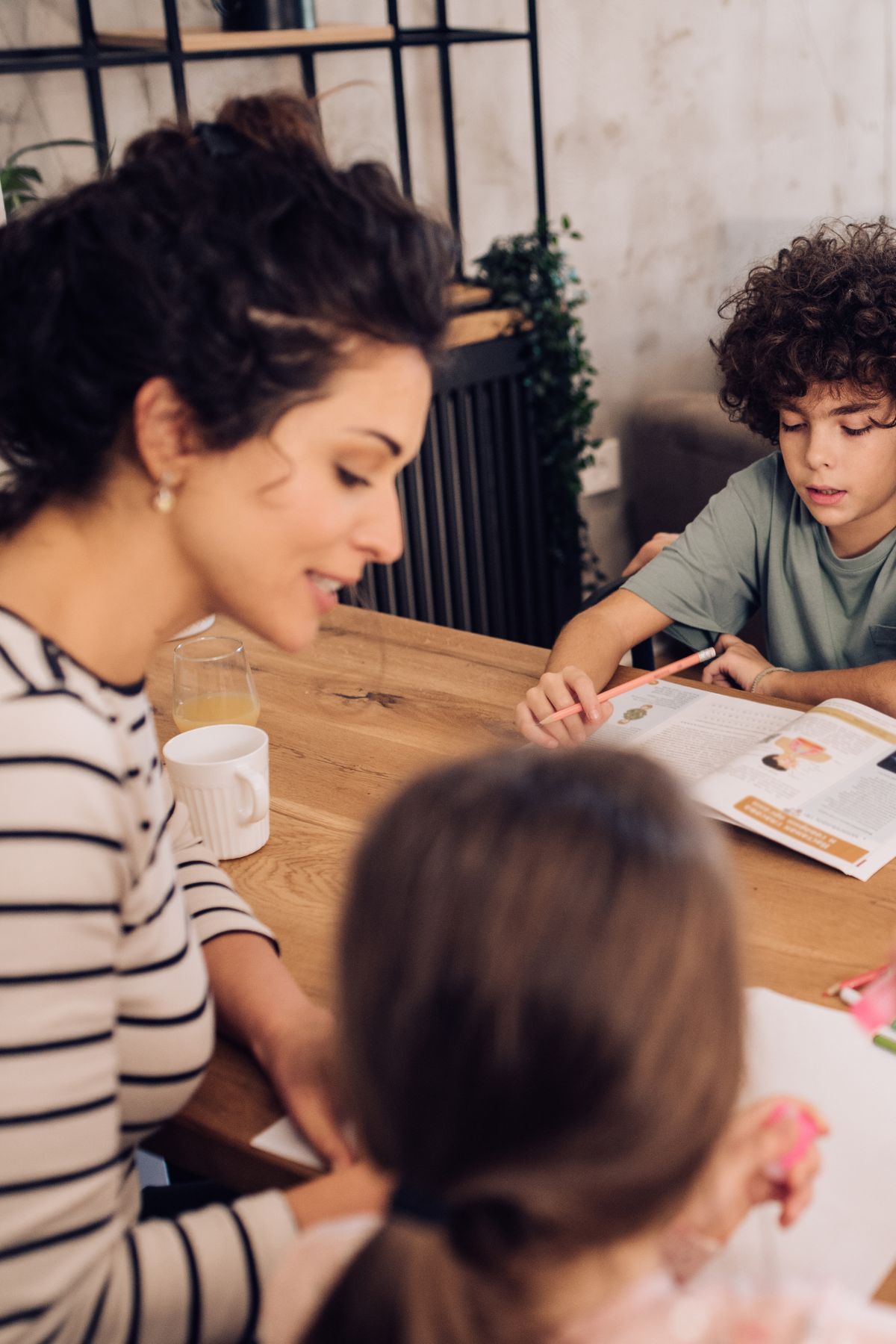
Cook meals together, read aloud, listen to audiobooks in the car. Let your child pick books from the library—even if they’re graphic novels or science experiment kits. Learning is happening all the time.
3. Observe and listen.
Watch how your child spends their time. What sparks their curiosity? What do they talk about, build, or draw? Keep a journal of what you notice. These insights will help you choose the right homeschool method later.
4. Reflect on your own mindset.
Are you feeling anxious when your child isn’t “doing school”? That’s your own school conditioning showing up. Deschooling gives you time to let go of those old ideas and make room for something better.
5. Gently ease into learning when ready.
Some children bounce back quickly, while others need several weeks or more. Follow their lead. When they start asking more questions or showing interest in structure, you can slowly reintroduce learning.
⏳ How Long Should You Deschool?
There’s a common rule of thumb in the homeschool world:
👉 “One month of deschooling for every year your child spent in school.”
So if your child was in school for 3 years, that’s roughly 3 months of decompression time.
But remember—it’s not a formula. Some kids need less time, some need more. You might take 3 weeks and feel ready. Or you might take a whole summer and come back refreshed. The best gauge is your child’s readiness and overall attitude toward learning.
Watch for signs like:
- They start asking to do “school stuff”
- They show renewed curiosity or dive deep into a topic on their own
- Resistance and stress around learning begin to fade
🚫 What Happens If You Skip Deschooling?
Honestly? Most families who skip deschooling wish they hadn’t.
When you try to jump into a full homeschool routine right after pulling your child from public school, you may hit:
- Power struggles
- Burnout
- Emotional pushback
- Disconnection and frustration
It’s not because homeschooling doesn’t work—it’s because the transition was rushed. Deschooling helps smooth that transition so both you and your child can start fresh, not frazzled.
✅ What Can You Actually Do During Deschooling?
Good news: deschooling doesn’t mean doing nothing. It means learning in relaxed, interest-led, real-life ways. Here are some gentle, connection-building activities that count (without feeling like “school”):
- Read picture books, chapter books, or audiobooks together
- Play board games (think logic, math, cooperation)
- Visit parks, trails, nature centers, or farms
- Cook and bake together (hello, practical math + life skills!)
- Watch educational YouTube or family documentaries
- Explore hobbies like drawing, coding, building, crafting
- Do simple science experiments or nature journaling
💡 If you’re drawn to child-led exploration, you might love the ideas in A Year of Inquiry-Based Learning, which expands on this type of learning in a big-picture way.
👪 Real-Life Example: When Deschooling Makes All the Difference
“I pulled my son out of school in 4th grade after a tough year. He was anxious, angry, and said he ‘hated learning.’ We spent 8 weeks just being together—reading graphic novels, doing LEGO builds, going on hikes. One day he found a book about volcanoes, and that kicked off a whole rabbit trail of learning. Within two months, he was excited to do copywork from books he loved. All he needed was time.”
Stories like this are incredibly common. Deschooling works not because it’s academic, but because it’s human.

🎁 Grab the Free Deschooling Checklist!
Want a gentle visual reminder to guide your deschooling journey? I’ve created a printable version of this checklist you can hang on your fridge, tuck into your homeschool binder, or keep handy during those “are we doing enough?” moments.
Just pop your name and email into the blue box below and I’ll send it straight to your inbox! 💌
📌 This printable is for personal or classroom use only, please—no commercial use or redistribution.
Thank you for respecting the time and heart that went into creating it. 💛
✨ Final Thoughts: Trust the Pause
Deschooling is not wasted time—it’s transformative time. It allows you and your child to reframe what learning looks like, build connection, and enter your homeschool journey without the baggage of school burnout.
It’s one of the best things you can do to set yourself up for a successful, sustainable homeschool rhythm.
And when you’re ready to move forward, you might enjoy exploring the difference between a unit study vs. traditional curriculum or how to adapt unit studies for different ages as your child’s interests emerge.
📌 You’ve already made the courageous choice to homeschool—deschooling helps you lay the groundwork in a way that’s gentle, connected, and filled with grace.
You’ve got this. One peaceful step at a time. 💛