The Fertile Crescent Reading Comprehension (Free Printable Activity)
Learn how geography shaped early civilization with this free Fertile Crescent reading comprehension worksheet! This printable helps kids strengthen reading and critical thinking skills while exploring how rivers, soil, and innovation turned the Fertile Crescent into the “Cradle of Civilization.”
Teaching the beginnings of civilization can be such a rewarding part of your homeschool history journey. It’s the moment when kids start connecting all those early lessons about hunter-gatherers and the Stone Age to the bigger story of how humans began building communities, farming, and creating culture. This activity helps bring those ideas together in a tangible way.
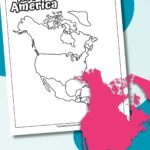
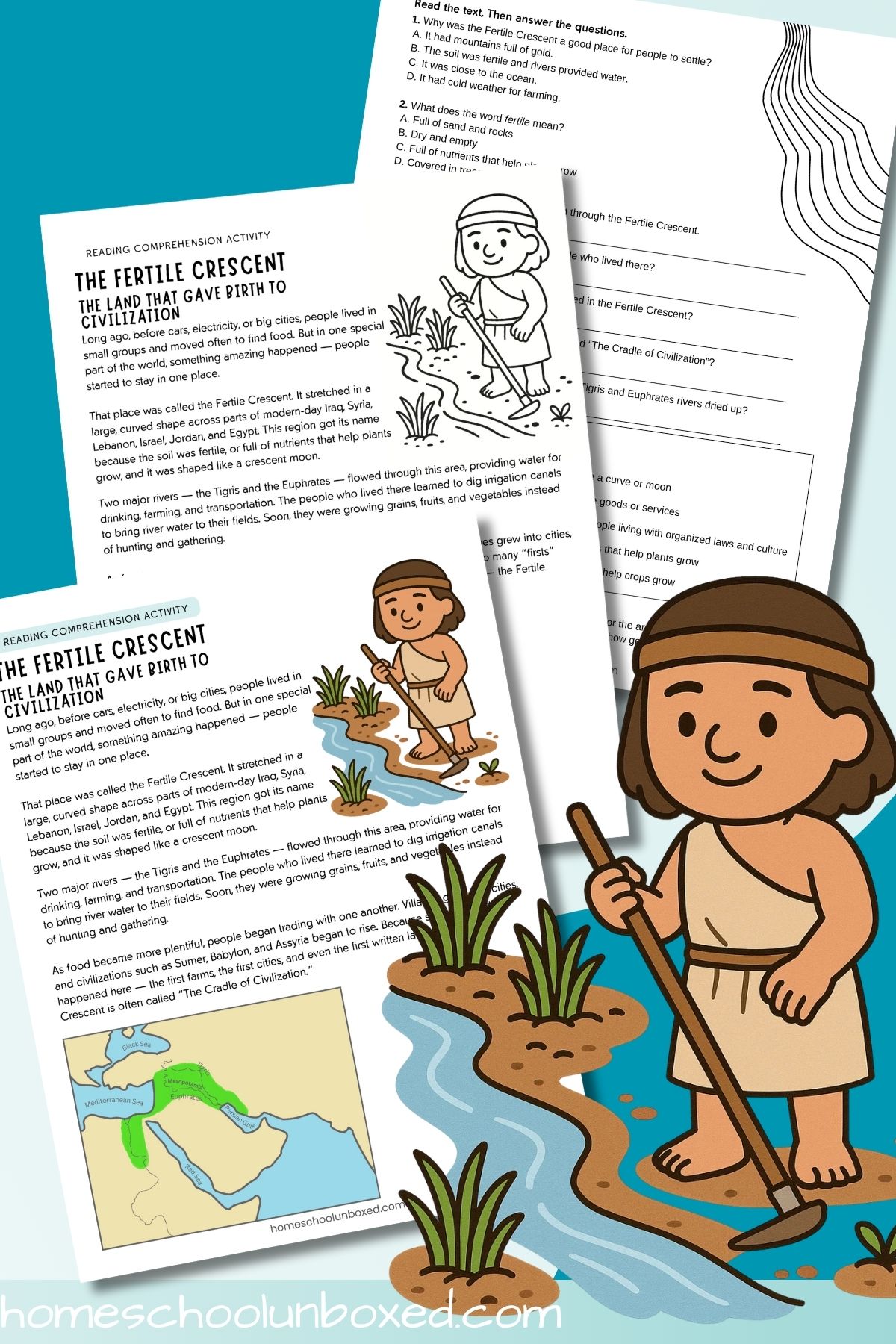
This Fertile Crescent reading comprehension worksheet pairs perfectly with our Mesopotamia Map Printable, creating a seamless transition between geography and history lessons. It combines literacy, history, and science in one simple activity. It’s designed to help kids read for understanding while learning why this part of the world was so important to early human life.
In this passage, kids will learn about the geography of the Fertile Crescent, the Tigris and Euphrates Rivers, irrigation, farming, and the rise of the first cities. Then, they’ll answer thoughtful comprehension questions to show what they’ve learned—a great way to sneak language-arts practice into history time!
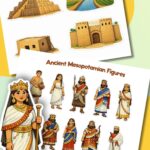
Be sure to grab some of our printable Mesopotamian cut out figures to, to go along with this activity.
📌 Homeschool Tip: Activities like this let you teach reading, geography, and critical thinking at once—perfect for busy homeschool mornings.
✂️ Materials
- Free Fertile Crescent Reading Comprehension PDF (download below!)
- Pencil or pen
- Optional: crayons for coloring the illustrated version
- Optional: Mesopotamia Map Printable for a visual tie-in
📄 The Printable
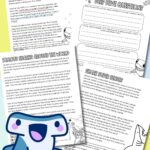
This 4-page download includes everything you need for a complete mini-lesson:
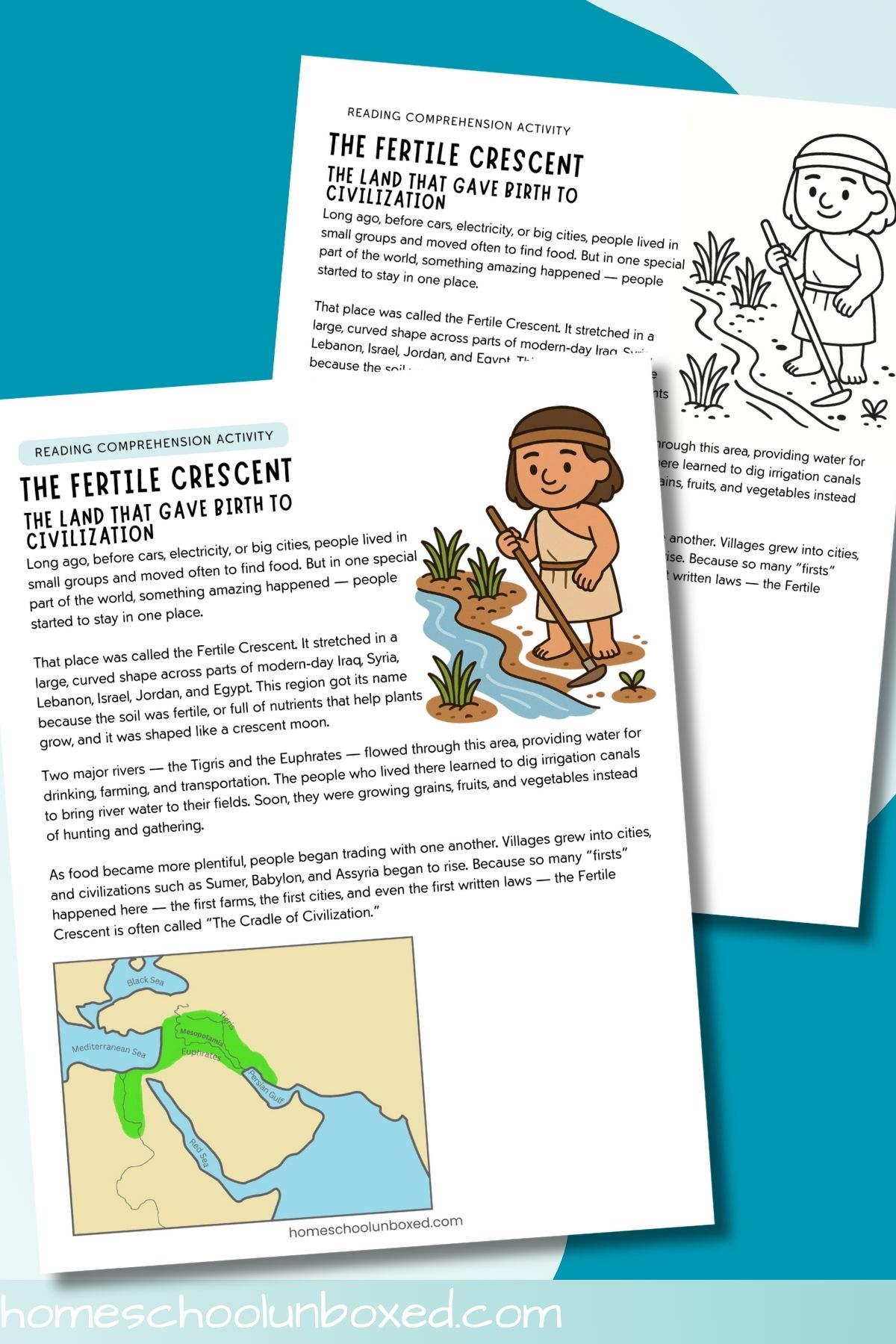
- 📖 Reading Passage — “The Land That Gave Birth to Civilization,” explaining the geography, rivers, and early farming of the Fertile Crescent (available in both color and black-and-white for easy printing).
- 📝 Comprehension Worksheet — Seven engaging questions that check understanding and encourage deeper thinking.
- 💬 Vocabulary Practice — Kids match key terms like civilization, irrigation, and trade to their meanings.
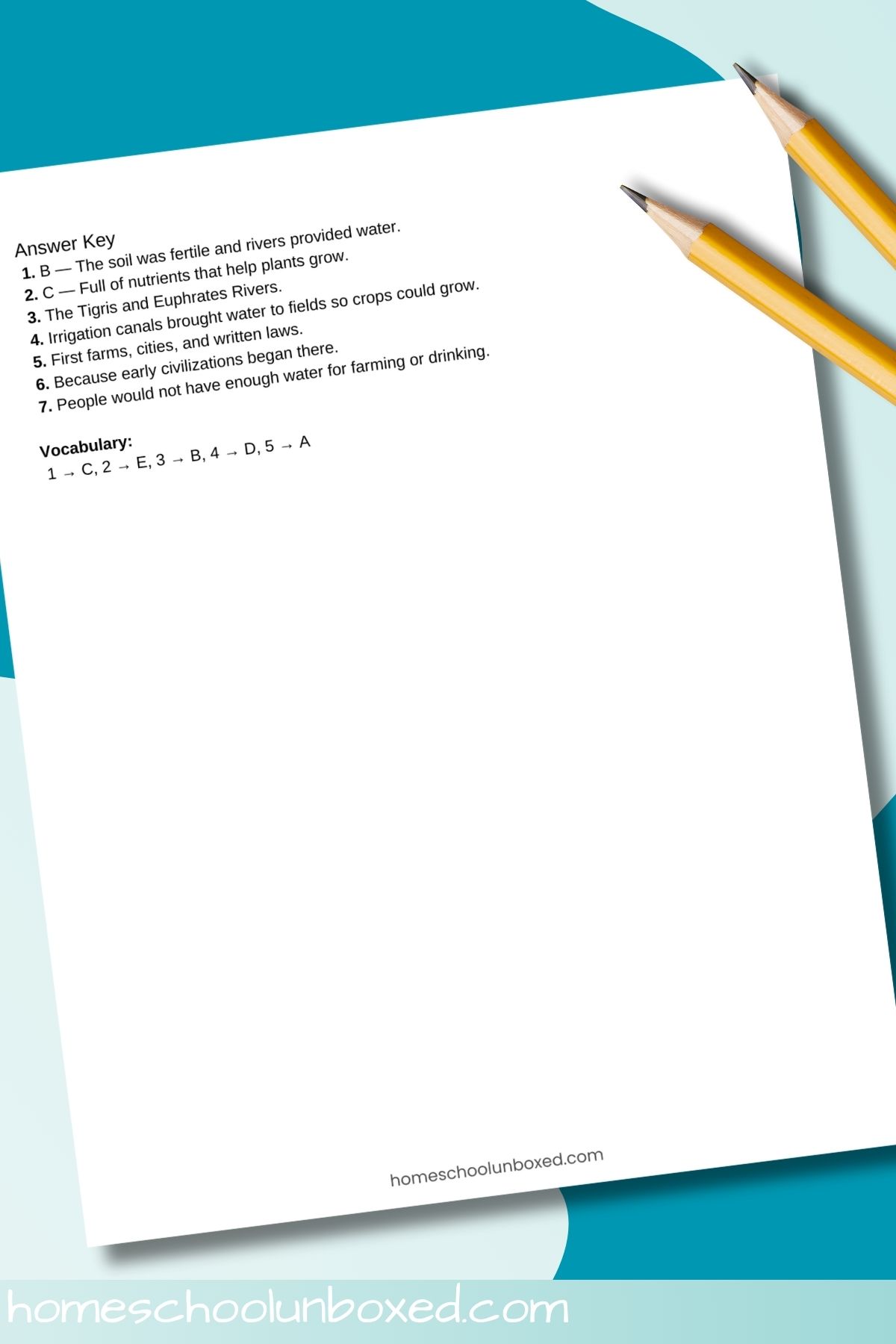
- ✅ Answer Key — Saves time for parents and teachers!
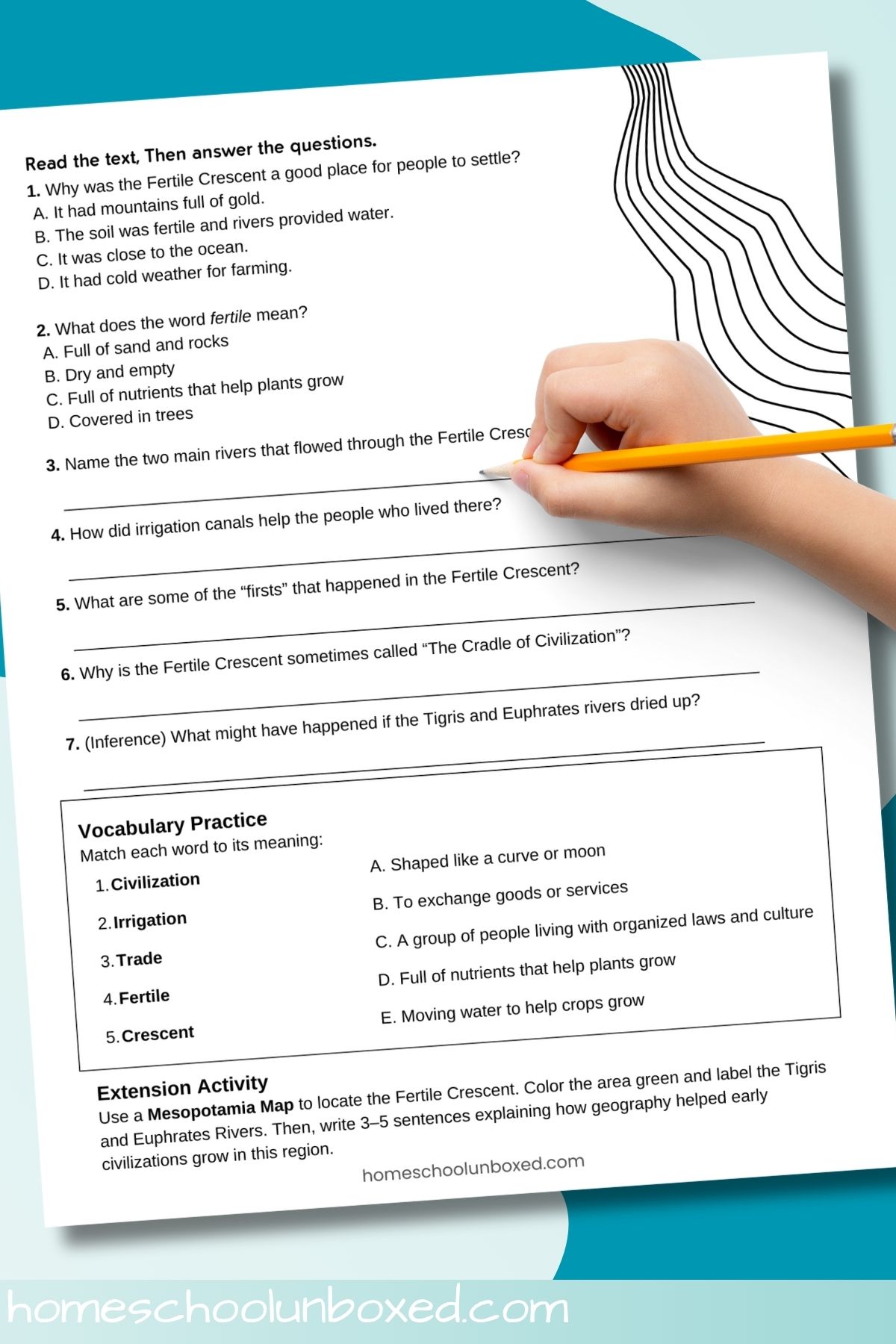
Each page is cleanly designed with plenty of space for writing, making it ideal for independent work or guided discussion.
🧠 How to Use
1️⃣ Read Together: Begin by reading the passage aloud or have your child read it independently. Pause to discuss unfamiliar vocabulary such as fertile, irrigation, or civilization. Explain how these words connect to big ideas from history.
2️⃣ Connect to Prior Learning: If you recently studied the Stone Age or hunter-gatherer societies, use this lesson as a natural bridge to discuss how people began settling down. Talk about what changed—how the discovery of fertile land and reliable water sources encouraged people to farm and build permanent homes.
3️⃣ Locate on the Map: Pull out your Mesopotamia Map Printable or a globe. Find the Fertile Crescent and trace the Tigris and Euphrates Rivers. Discuss how this area’s geography—rich soil, water, and mild climate—made it ideal for growing food. Help kids visualize how geography directly influenced the rise of civilization.
4️⃣ Discuss Key Ideas: After reading, ask questions like:
- “Why did people stop hunting and start farming?”
- “How did water from the rivers help them grow crops?”
- “What new problems do you think they had to solve once they lived in one place?”
These talking points encourage critical thinking and show how innovation was born from necessity.
5️⃣ Answer Comprehension Questions: Encourage full-sentence responses and remind students to look back at the text for evidence. Discuss each answer to deepen understanding.
6️⃣ Extend the Lesson: Have children illustrate or write a short story about daily life in the Fertile Crescent—perhaps a farmer planting seeds or a family building near the river. You can also compare life then and now, connecting the importance of water and farming to modern society.
7️⃣ Review and Reflect: Use the included answer key to check understanding. End the lesson by reflecting on how this region set the stage for all future civilizations.
💡 Teaching Tip: Emphasize that this lesson isn’t just about facts—it’s about understanding how humans adapted, invented, and learned to thrive together. These conversations help students see the “why” behind history, making it meaningful and memorable.
📖 Educational Uses & Tips
✏️ Language Arts Integration: Reinforces reading comprehension, main-idea identification, and vocabulary development.
🌍 Geography Connection: Complements map work—helps kids visualize where civilizations began.
🔬 Science Link: Explains soil fertility, irrigation, and how the environment supports life.
🎨 Creative Extension: Have your child design a mini poster titled “Life in the Fertile Crescent.”
💬 Independent or Group Learning: Great for morning work, co-op lessons, or quiet reading time.
📥 Grab the Free Printable
Download your Fertile Crescent Reading Comprehension Worksheet by entering your name and email in the blue box below. You’ll receive both the color and black-and-white versions instantly!
🖌️ For personal and classroom use only. Not for resale or redistribution.
This Fertile Crescent reading comprehension printable is a simple yet powerful way to connect history, geography, and literacy in your homeschool. By reading about early farmers, traders, and inventors, and seeing where it all began on the map, your child will start to grasp how geography shaped human civilization.