Parts of a Flower Diagram (Free Printable)
This free printable Parts of a Flower Diagram gives kids a clear, detailed view of flower anatomy. It’s an excellent visual aid for teaching plant science, whether as part of a botany unit, nature study, or spring-themed lesson.
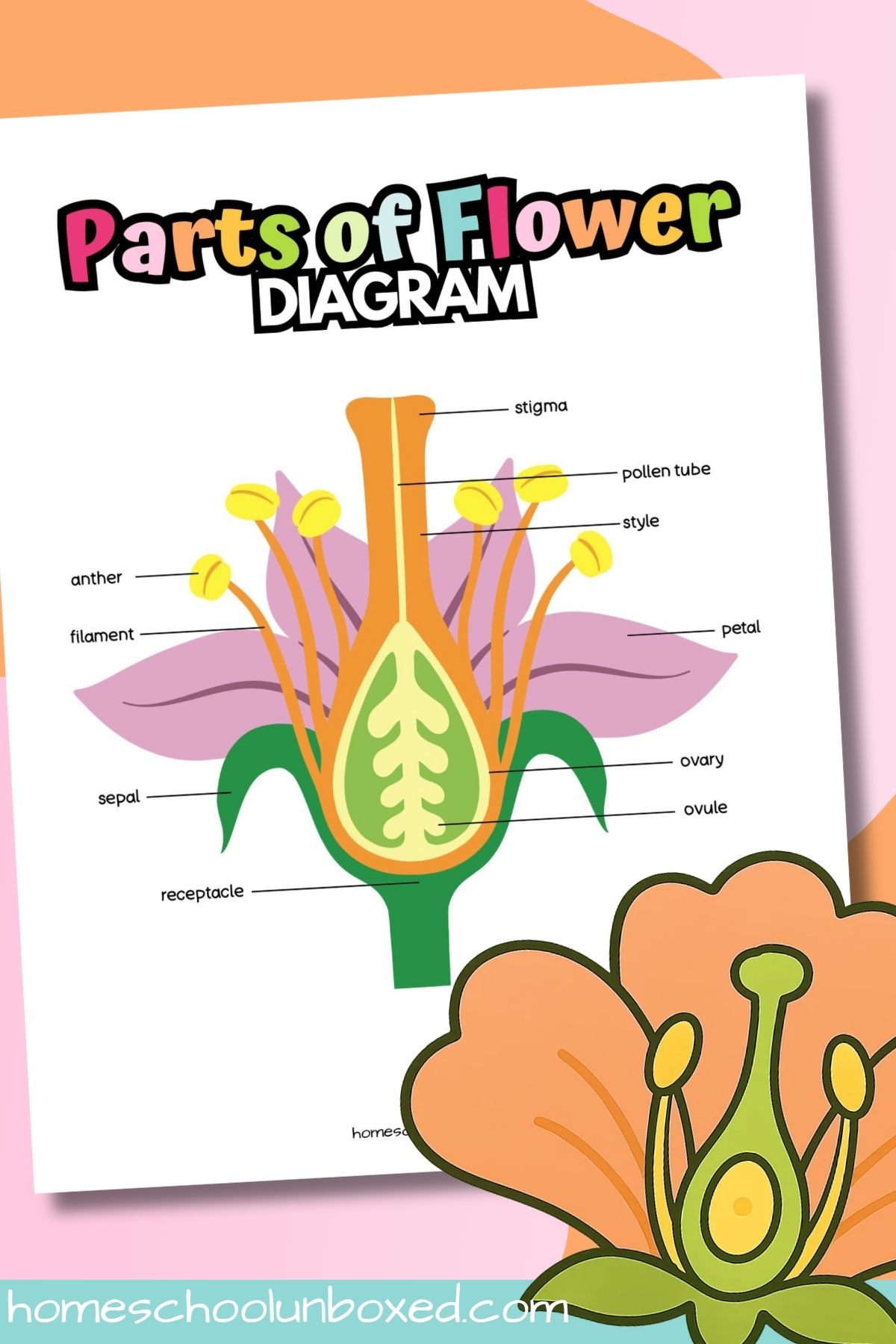
A good diagram can make all the difference when teaching science. This Parts of a Flower Diagram PDF shows each major flower part labeled clearly, helping kids connect what they see in real flowers to scientific terms. Perfect for homeschoolers, classrooms, and nature enthusiasts, it’s a resource you’ll want to keep handy.
For even more related activities, check out our Parts of a Flower Worksheets collection, where you’ll find matching labeling sheets, vocabulary charts, and fun flower-themed games.
✂️ Materials
- Printed Parts of a Flower Diagram PDF (Grab down below)
- Pencil or pen (if using for note-taking or labeling practice)
- Optional: scissors, glue, and cardstock for display or notebook use
📄 The Printable
This 1-page PDF file includes:
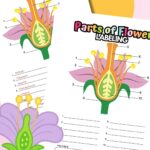
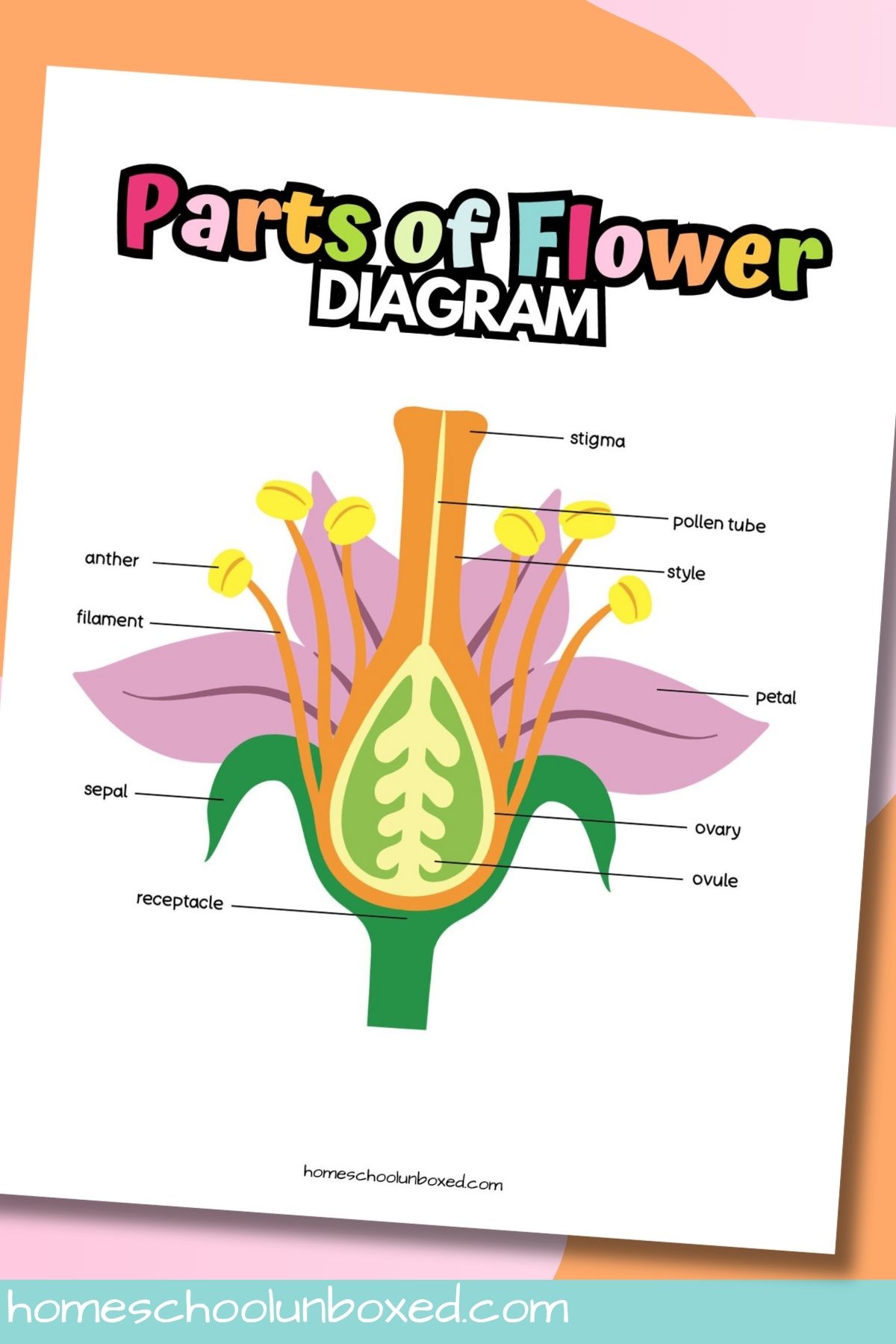
- A full-color diagram showing the main parts of a flower, clearly labeled for easy understanding
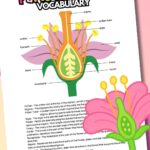
Parts shown: petal, sepal, pistil, stamen, ovary, ovule, style, stigma, filament, anther.
📚 Vocabulary Words & Definitions
- Petal – The colorful part of the flower that attracts pollinators.
- Sepal – The small, leaf-like part that protects the flower bud before it opens.
- Pistil – The female part of the flower, made up of stigma, style, and ovary.
- Stamen – The male part of the flower, made up of anther and filament.
- Ovary – The part of the pistil that contains ovules and develops into fruit after fertilization.
- Ovule – The part inside the ovary that becomes a seed after fertilization.
- Style – The slender stalk that connects the stigma to the ovary.
- Stigma – The sticky top of the pistil that catches pollen.
- Filament – The thin stalk that supports the anther.
- Anther – The part of the stamen that produces pollen.
🧠 How to Use
- Print the diagram in color for display, or black-and-white for coloring activities.
- Review the labeled diagram with students, pointing out each part on a real flower if possible.
- Use alongside the Parts of a Flower Vocabulary Chart for word review.
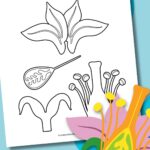
- Have students color and label the black-and-white version.
- Incorporate it into science notebooks or lapbooks for reference.
📖 Educational Uses & Tips
🌼 Visual Learning for All Ages – Ideal for visual learners and adaptable for different grade levels. Younger students can focus on identifying major parts, while older students can dive into the function of each part.
📝 Science Notebook Integration – Place the diagram in interactive science notebooks alongside notes, sketches, or pressed flower samples.
🎯 Core Resource for Botany Units – Acts as a foundation for more complex topics like pollination, fertilization, and plant reproduction.
🖍️ Hands-On Coloring & Labeling – Coloring the black-and-white version can serve as both a calming activity and a way to reinforce part names.
🌱 Real-World Connection – Take the diagram outside to identify the same structures on living flowers in a garden, park, or nature trail.
📚 Cross-Curricular Learning – Pair with creative writing (flower-themed poetry), math (measuring flower dimensions), or art (detailed botanical illustrations).
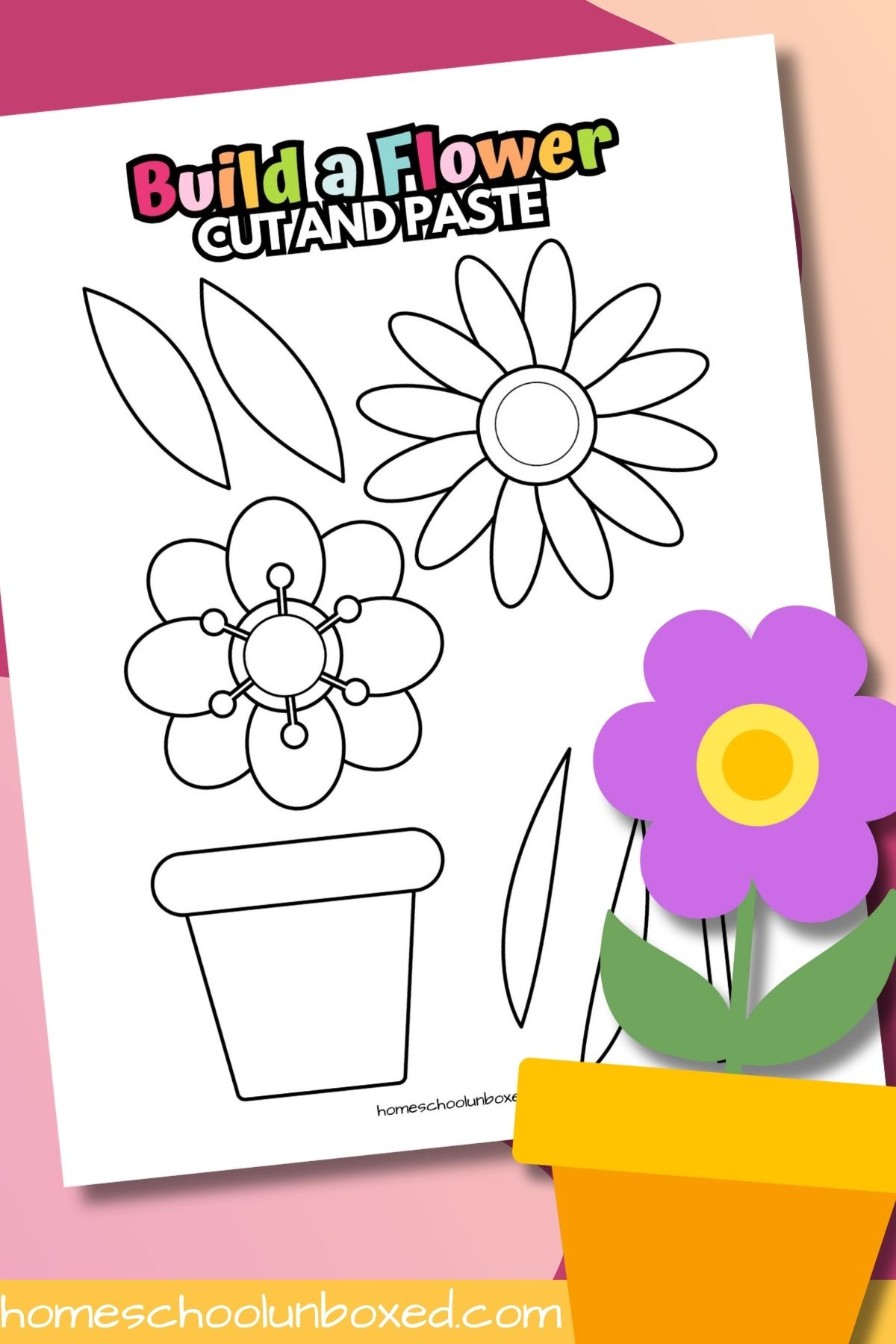
🔗 Pair with Related Printables – Combine with the Parts of a Flower Labeling Worksheet or Parts of a Flower Cut & Paste Build for a mix of visual and tactile learning. We also have a fun Flower word scramble worksheet.
🧠 Review & Assessment Tool – Use the diagram before quizzes, or have students explain each part to assess understanding.
🌍 STEM Tie-Ins – Link to discussions about plant adaptations, ecosystems, and the role of flowers in biodiversity.
🎨 Creative Display – Hang color versions in the classroom or learning space as both decoration and a constant reference.
📥 Grab the Free Printable
Download your free Parts of a Flower Diagram PDF below by entering your name and email in the blue box. Includes both color and black-and-white versions for flexible use.
🚩 For personal and classroom use only. Please do not resell or redistribute.
The Parts of a Flower Diagram is a simple yet powerful teaching tool. It makes plant anatomy clear, visual, and easy to reference—whether displayed on the wall, tucked into a science notebook, or paired with a hands-on gardening lesson.